

Mahatma Gandhi was a prominent leader of India’s independence movement, known worldwide for his philosophy of nonviolent resistance. He connected with people from all walks of life, inspiring them to unite around a shared vision of freedom.
So what can we learn from him when it comes to presentations?
Gandhi communicated with people using three basic, but vital principles:
- Ethos: Credibility
- Pathos: Emotion
- Logos: Logic
These three principles of persuasion can turn an ordinary presentation into one that builds trust, sparks emotion, and inspires action
Ethos: Give your audience a reason to trust you

Ethos is all about credibility. Gandhi demonstrated this through his commitment to simplicity and nonviolence. Similarly, before your audience buys into your message, they need to believe you know what you’re talking about. Highlight relevant experience, use credible sources, and keep your content accurate.
Pathos: Make them feel something

People may forget statistics, but they remember stories. Gandhi connected political issues to people’s everyday struggles. During the Salt March against the British-imposed salt tax, he turned something as ordinary as salt into a powerful symbol of shared hardship and resistance. Likewise, for presentations, a compelling customer story, a relatable challenge, or a powerful image can make your message feel personal.
The trick? Keep it authentic. Emotional storytelling should strengthen your message, not overshadow it.
Logos: Back it up with logic
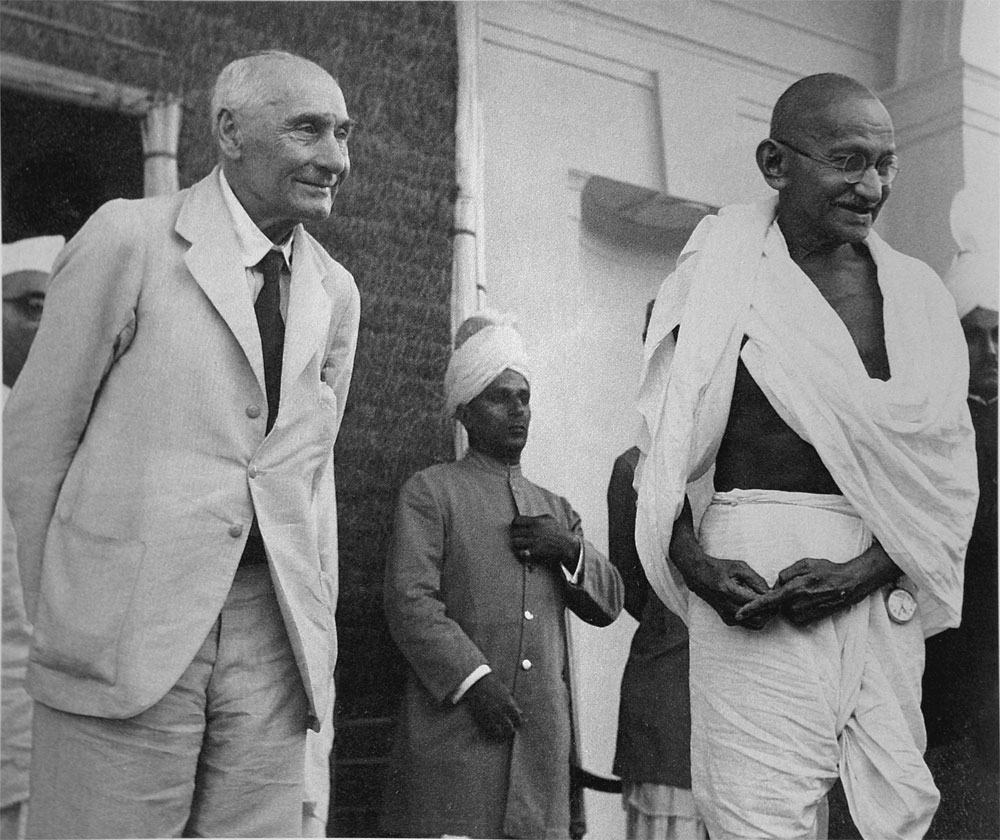
Here’s where facts do the talking. Again, taking the Salt March as an example, Gandhi pointed out that salt was a basic necessity and taxing it unfairly burdened the poor. He demonstrated logos by simplifying a complex issue of colonial taxation into a relatable, logical argument. Logos uses data, evidence, and logical reasoning to make your argument convincing. Highlight the most important data and explain what it means.
The sweet spot: Bring all three together

Gandhi’s communication methods demonstrate how credibility, emotion, and logic can reinforce one another. At SlideXpress, we bring these principles into presentation storytelling, combining clear messaging, engaging visuals, and structured information. Because great presentations don’t just communicate ideas. They make people trust, connect, understand, and remember.