

Turning customer data into an executive-ready QBR deck is not just a reporting exercise, it’s a strategic storytelling opportunity. At SlideXpress, we’ve seen that the most effective QBRs don’t overwhelm leaders with data. They translate complexity into clear, decision-ready insights.
Transforming Data into Clear Executive Insights
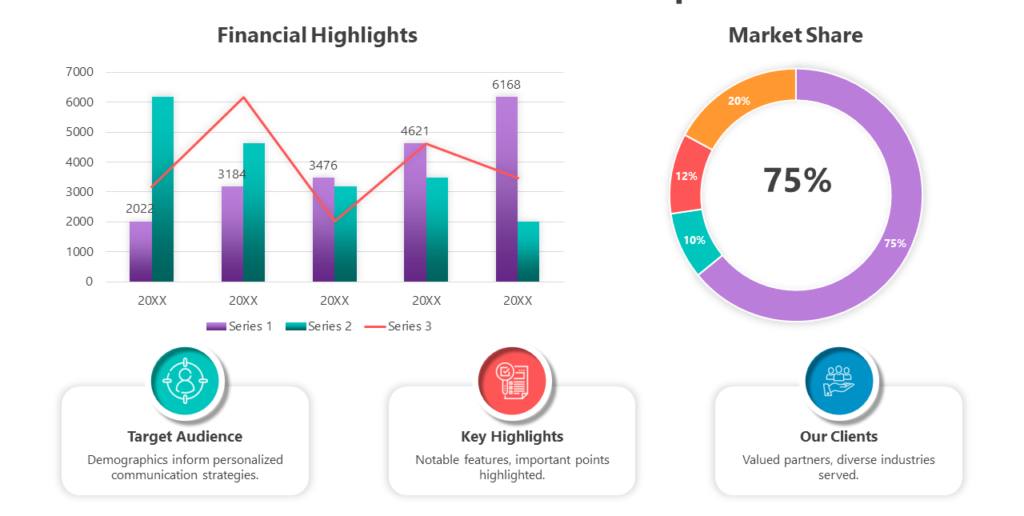
Most teams start with fragmented data: CRM exports, usage dashboards, and financial reports. The first step is structuring this into a coherent narrative: What happened, why it matters, and what should be done next. Executive audiences don’t need more data; they need clarity on implications and actions.
Streamlining QBR Creation
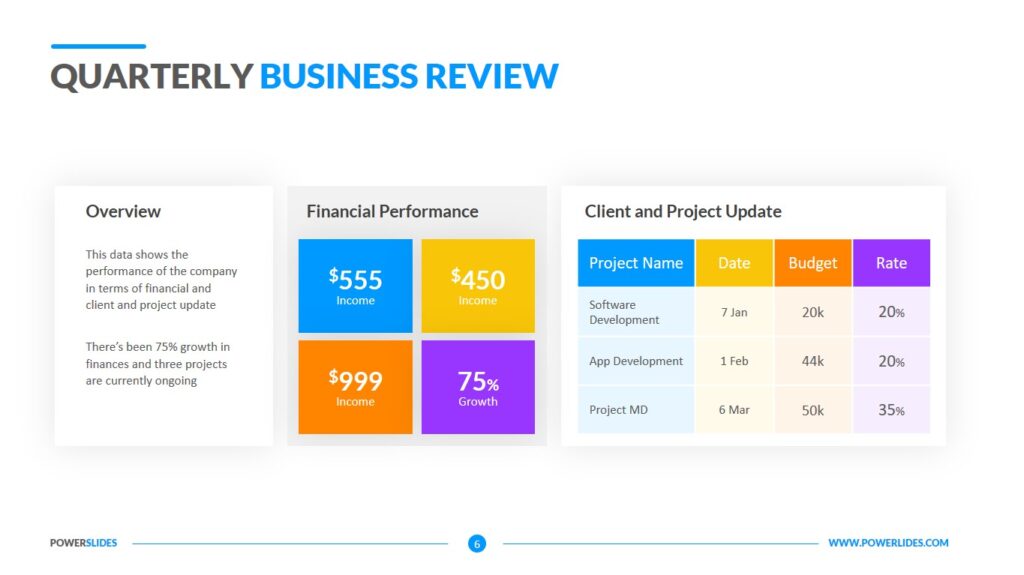
High-performing teams build repeatable frameworks. Standardized templates, pre-defined slide structures, and automated data pulls reduce manual effort and ensure consistency. Instead of rebuilding decks every quarter, teams focus on updating insights, not formatting slides—cutting turnaround time significantly.
Scaling Personalization Without Complexity
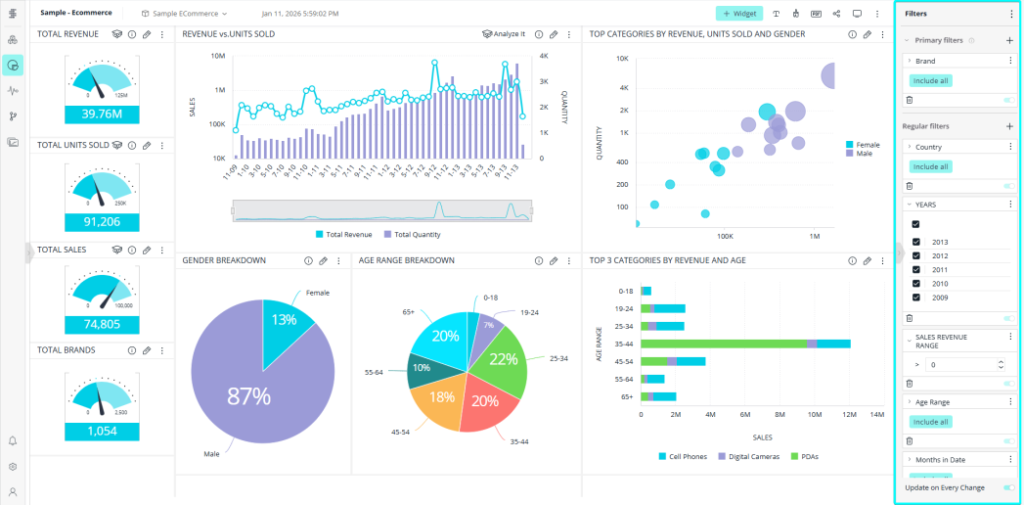
Every client or business unit expects a tailored QBR. The challenge is scaling this without starting from scratch each time. The solution lies in modular storytelling; core sections (performance, insights, roadmap) remain consistent, while key slides are dynamically adapted based on customer data. This allows teams to deliver highly personalized yet efficient presentations.
Designing for Executive Consumption
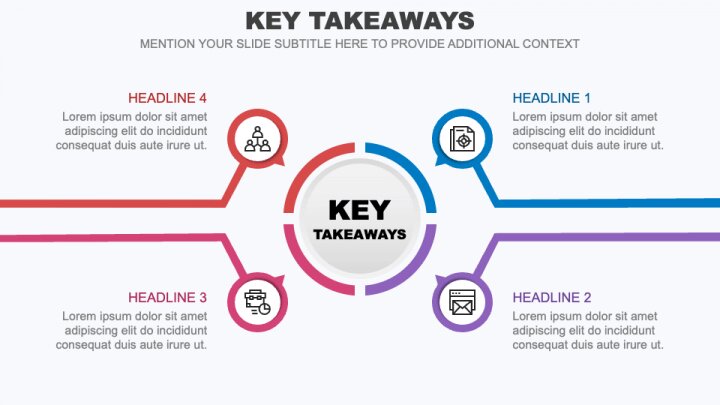
Executives skim before they dive deep. That’s why each slide must communicate one clear insight, led by a strong, sentence-style headline. Clean visuals—charts, benchmarks, and comparisons—replace dense tables. The goal is to make insights instantly understandable.
Driving Strategic Conversations

A strong QBR doesn’t end with reporting, it sparks discussion. By highlighting trends, risks, and opportunities, teams can shift the conversation from “What happened?” to “What should we do next?” This is where QBRs create real value.
Ultimately, turning customer data into impactful QBR decks is about combining structured thinking, scalable processes, and clear storytelling and transforming routine reviews into strategic business moments.