
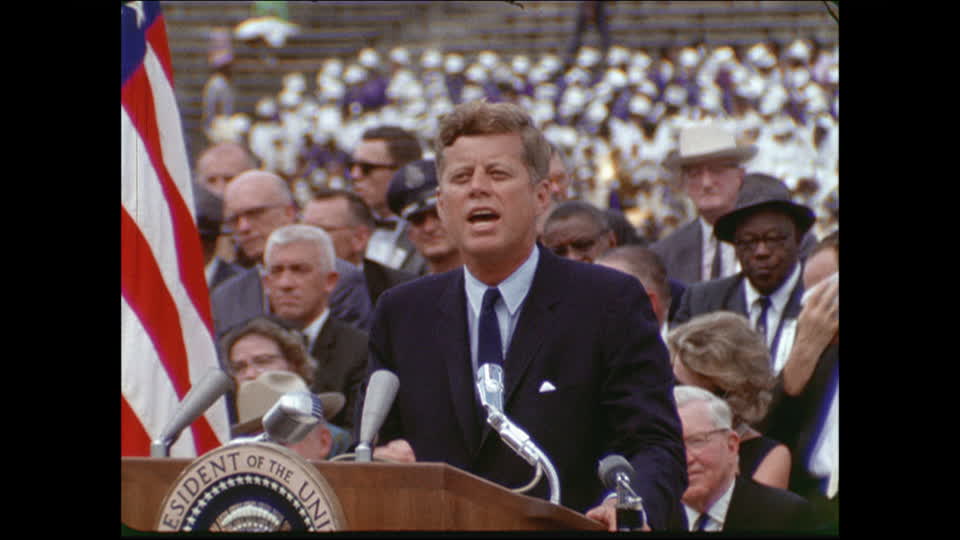
John F. Kennedy’s inaugural address, delivered on January 20, 1961, is remembered for its powerful call to responsibility, courage, and collective action. Though political in context, its lessons are deeply relevant to business leadership today.
Purpose Before Profit

One of the strongest principles is purpose before profit. Kennedy’s famous message—asking what people can do for their country—reminds businesses that lasting success comes from serving a larger mission, not only chasing short-term gains. Companies that create value for customers, employees, and society build stronger trust and loyalty.
Shared Responsibility

Another key lesson is shared responsibility. Kennedy emphasized that progress depends on people working together. In business, this means leadership cannot sit only at the top. Teams perform best when every employee understands the mission and feels accountable for outcomes.
Courage in Uncertain Times

His speech also highlights courage in uncertain times. Kennedy spoke during a period of global tension, yet his tone was confident and forward-looking. Businesses face similar uncertainty through market shifts, technology disruption, and competition. Leaders must respond with clarity, resilience, and bold decision-making.
Collaboration Over Conflict

A final principle is collaboration over conflict. Kennedy called for cooperation even among rivals. For modern businesses, this translates into partnerships, ethical competition, and stakeholder alignment. Growth is often stronger when organizations build ecosystems rather than operate in isolation.
Leadership Through Vision and Action

Kennedy’s address teaches that leadership is not about authority alone. It is about vision, service, responsibility, and action. For businesses, these principles remain timeless: lead with purpose, empower people, act with courage, and build progress together.
Conclusion

Kennedy’s speech remains powerful because it frames leadership as a responsibility, not a position. For businesses, the message is clear: sustainable success comes from serving a larger purpose, empowering people, facing uncertainty with courage, and building progress through collaboration. These principles continue to guide leaders who want to create not just profitable organizations, but meaningful and lasting impact.