

A presentation can align teams around a vision, but an action plan defines the path to achieving it. By converting goals into specific tasks, timelines, ownership, and measurable outcomes, action plans help teams move from strategy to execution.
What Is an Action Plan?

An action plan is a structured roadmap that outlines the steps required to achieve a specific objective. In business presentations, it creates clarity by showing what needs to be done, who is responsible, when actions should be completed, and how success will be measured.
Types of Action Plans Used in Presentations
- Strategic Action Plans: Translate long-term goals into initiatives, aligning priorities, resources, and timelines.
Example:A company planning international expansion may create an action plan covering market research, regional partnerships, regulatory approvals, localized marketing, and market launch milestones.
2. Project Action Plans: Organize project tasks, milestones, owners, timelines, and dependencies.

Example: A digital transformation project may include steps such as selecting technology platforms, migrating data, testing systems, training employees, and implementing the final solution.
3. Marketing Action Plans: Define campaigns, channels, resources, and goals to achieve marketing objectives.

Example: A product launch action plan may include developing campaign messaging, creating social media content, launching advertisements, conducting customer outreach, and tracking engagement metrics.
4. Operational Action Plans: Focus on improving processes, efficiency, and day-to-day business performance.

Example:A customer experience improvement plan may include reducing response times, improving support processes, introducing automation tools, and training service teams.
How to Create an Effective Action Plan
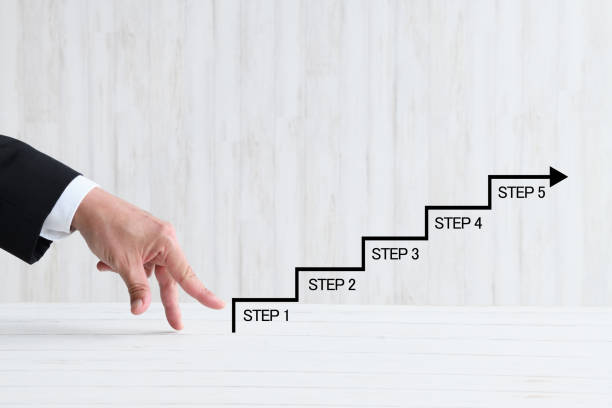
- Define the Objective: Set a clear goal and desired outcome.
- Break Down Actions: Convert goals into specific, manageable tasks.
- Assign Ownership: Identify responsible teams or individuals.
- Set Timelines: Establish deadlines and key milestones.
- Measure Success: Define KPIs and expected outcomes.
- Identify Resources: Determine required tools, budgets, and support.
- Track and Adjust: Monitor progress and refine actions as needed.
How SlideXpress Helps Create Action-Focused Presentations
SlideXpress helps businesses transform complex strategies, data, and ideas into clear, visually engaging presentations. Through presentation design, visual storytelling, and custom slide solutions, SlideXpress creates structured narratives that simplify information and highlight key actions. From strategic roadmaps and business plans to project execution frameworks, SlideXpress helps organizations communicate priorities effectively and create presentations that inspire action.