

In today’s fast-paced business environment, teams often face complex challenges with multiple possible causes and solutions. A hypothesis tree provides a structured way to break down these problems, identify key drivers, and focus efforts on the areas that matter most. For organizations that rely on clear communication and strategic storytelling, using a hypothesis-driven approach can transform scattered information into actionable insights.
What Is a Hypothesis Tree?
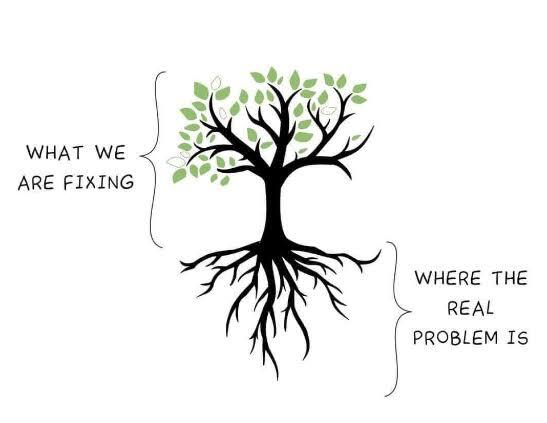
A hypothesis tree is a problem-solving framework that breaks a broad business question into smaller, testable hypotheses. It starts with a central problem statement and branches into possible causes, supporting questions, and areas of investigation.
For example, instead of asking “Why are sales declining?”, a hypothesis tree may break the question into:
- Is the issue related to market demand?
- Are customer preferences changing?
- Is the sales process effective?
- Are competitors gaining an advantage?
This approach ensures teams investigate the right questions instead of collecting unnecessary information.
Why Hypothesis Trees Matter in Business Communication

Strong business presentations are built on clear thinking. A hypothesis tree helps teams organize complex analyses into a logical storyline, making it easier for decision-makers to understand insights and take action.
For consulting teams, executives, and business leaders, this structure supports:
- Faster problem diagnosis
- Better prioritization of research
- Clearer recommendations
- More impactful presentations
Turning Insights Into Persuasive Presentations With Slidexpress
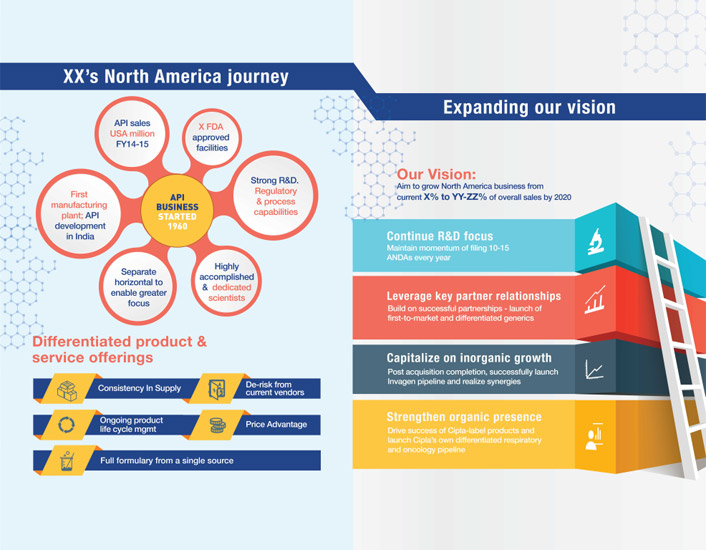
At Slidexpress, we help businesses transform complex ideas, data, and insights into clear and impactful presentations. Our presentation design and production services focus on simplifying information, strengthening storytelling, and creating visually engaging business communications.
A hypothesis tree can serve as the foundation for an effective presentation by creating a natural flow: defining the challenge, exploring key drivers, presenting insights, and building toward recommendations. With the right visual structure, complex strategies become easier for audiences to understand and act upon.
From Hypothesis to Impact: Transforming Strategic Thinking Into Powerful Presentations

A hypothesis tree is more than an analysis tool—it is a way to bring clarity to uncertainty. By starting with the right questions and organizing information logically, teams can create stronger strategies and communicate ideas with greater impact.
Whether used for consulting engagements, business reviews, strategy discussions, or executive presentations, structured thinking helps turn complexity into meaningful action. At Slidexpress, we bring this clarity to life through presentations designed to make every message more expressive and effective.