
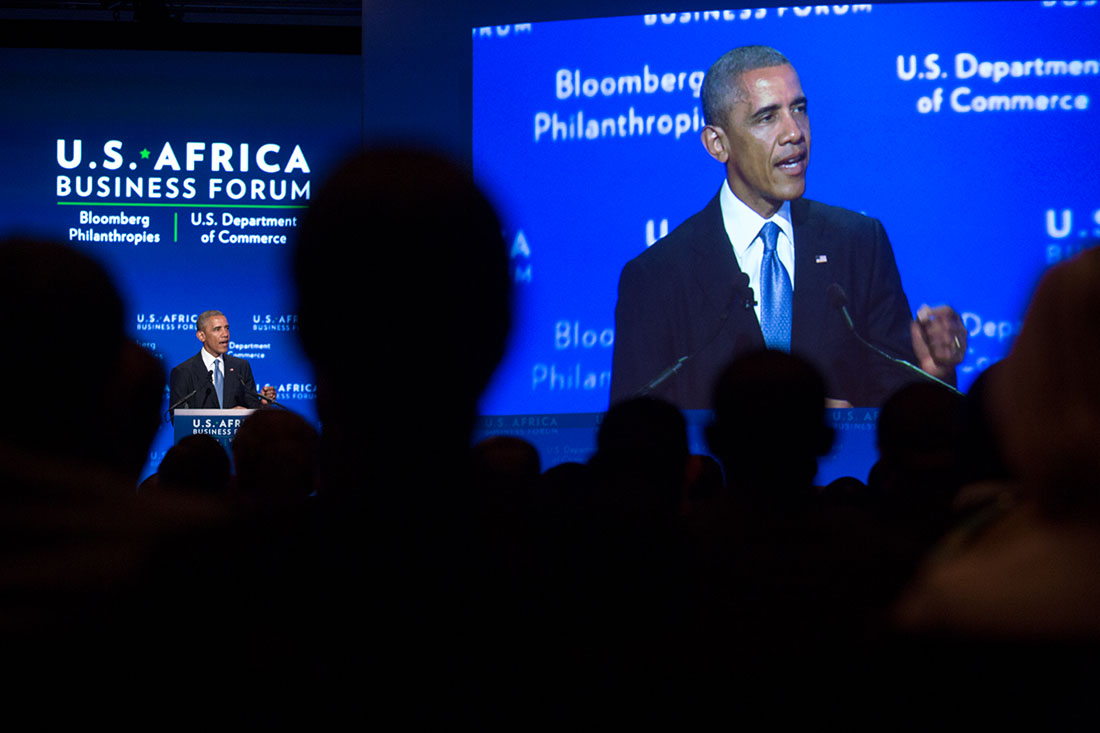
C suite presentations are not ordinary business updates. They are built for leaders who need to make decisions quickly, align stakeholders, and understand the business impact behind the numbers. Unlike functional presentations, which may focus on process or detailed execution, C suite decks must be concise, strategic, and outcome-oriented.
Start with the “So What?”
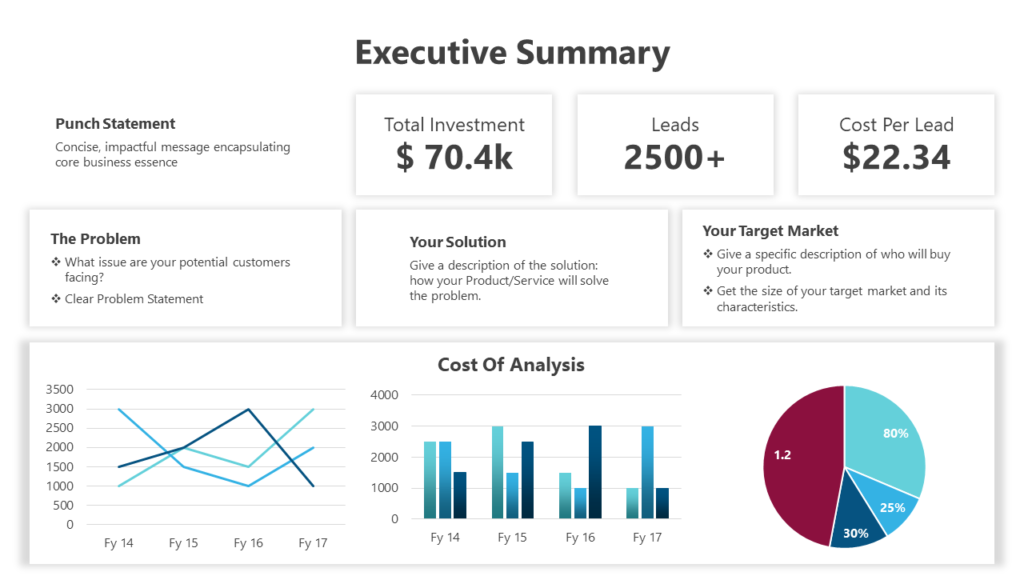
Senior leaders do not need every data point upfront. They need to know what matters, why it matters, and what decision or action is required. A strong C-suite presentation leads with the key message, then supports it with evidence. Every slide should answer one question: “So what does this mean for the business?”
Focus on Business Impact
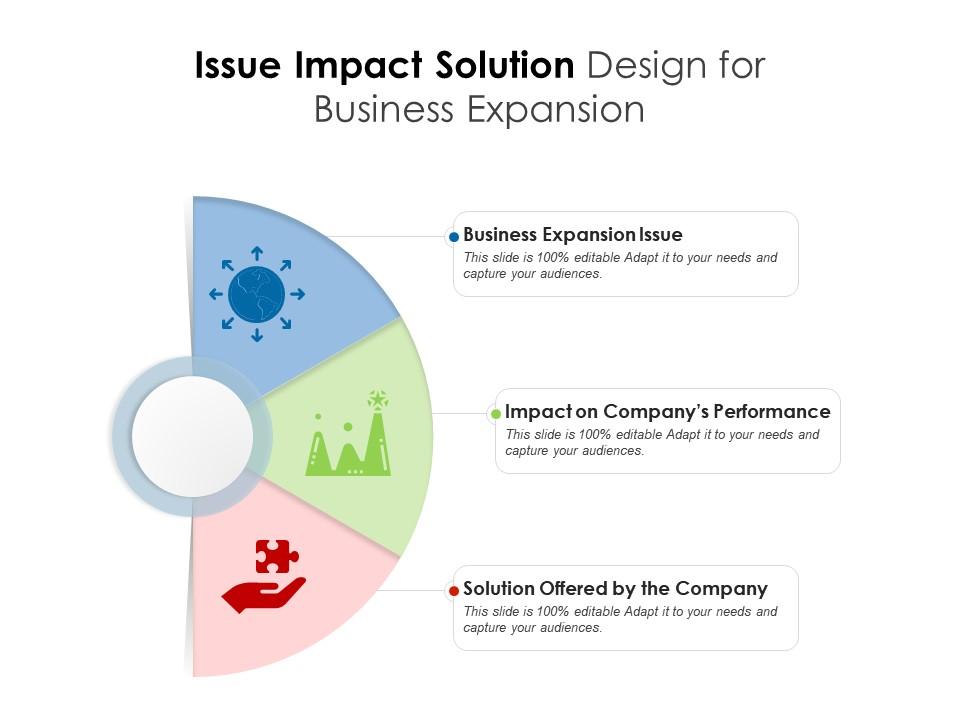
C-suite audiences care about growth, risk, cost, customer impact, competitive positioning, and future readiness. The content should connect operational details to broader business outcomes. Instead of simply reporting progress, the presentation should show implications: what has changed, what is at stake, and what needs leadership attention.
Keep the Storyline Sharp
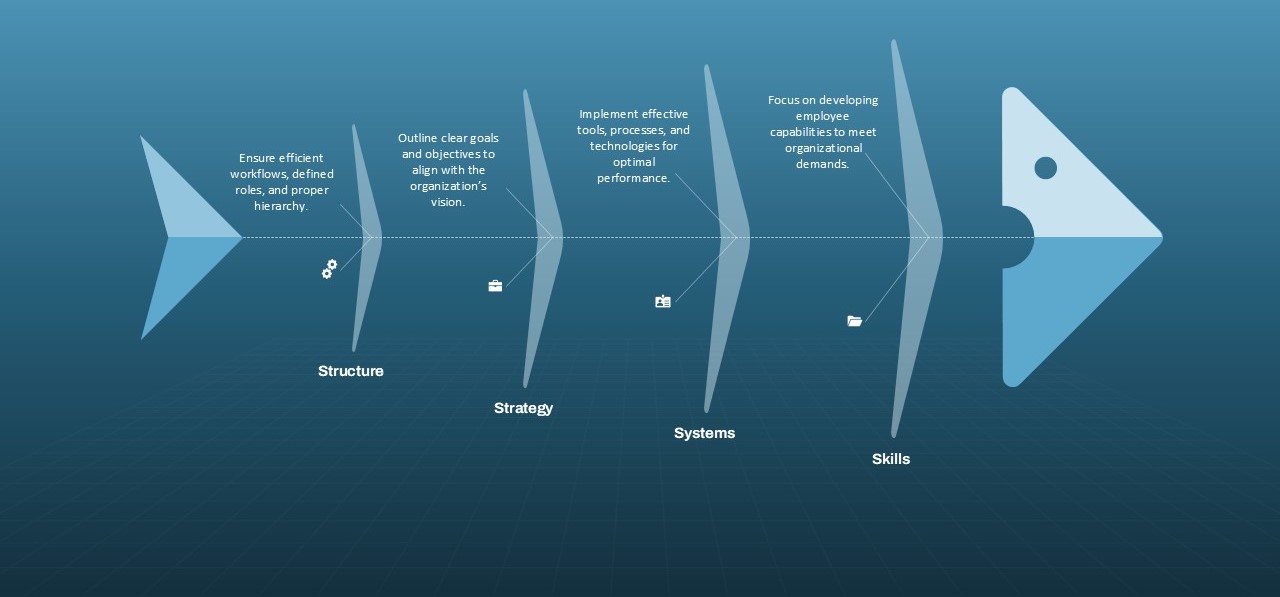
A C-suite deck should have a clear narrative flow. It should move from context to insight, from insight to implication, and from implication to decision. Too much detail can dilute the message. Use executive summaries, clear section headers, and concise slide titles that communicate conclusions—not just topics.
Use Visuals That Clarify
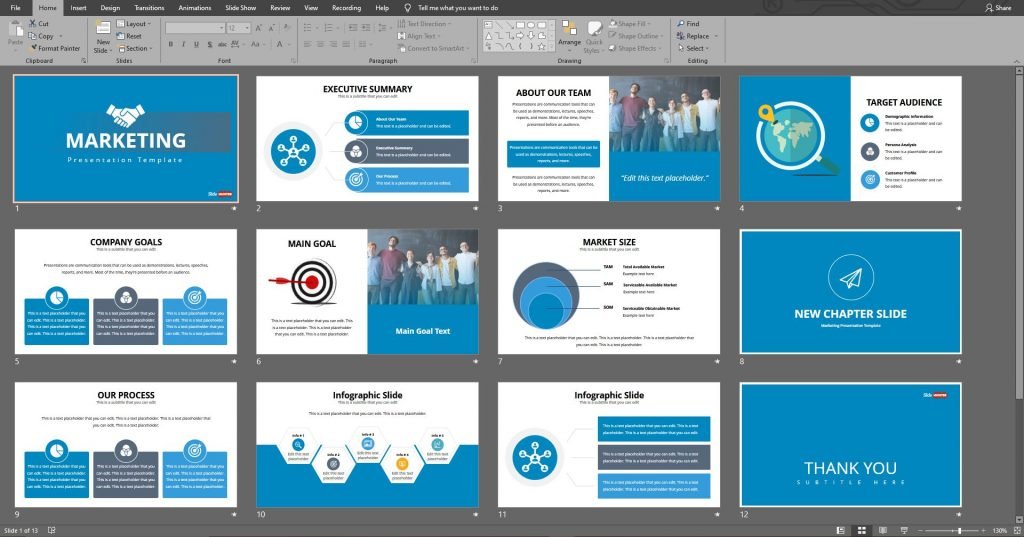
Charts, tables, and diagrams should simplify complexity, not add more work for the audience. Clean layouts, strong hierarchy, and focused data visualization help leaders absorb information quickly. Avoid clutter, excessive text, and decorative visuals that do not support the message.
End with Clear Decisions
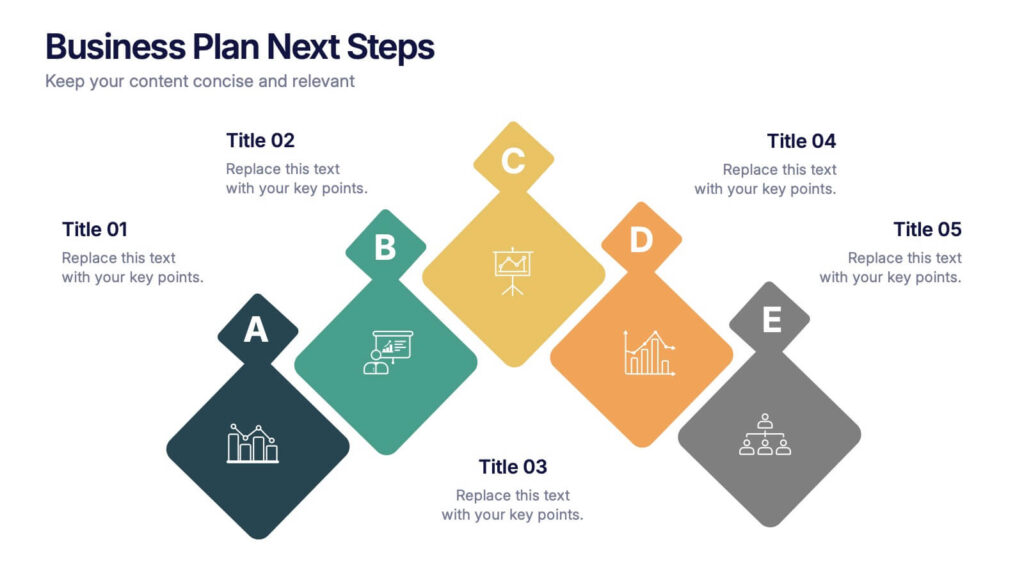
The best C-suite presentations do more than inform. They help leaders decide. Close with specific asks, recommended next steps, trade-offs, and the expected impact of action. A great C-suite deck makes the conversation sharper, faster, and more strategic.
Conclusion

The most effective C suite decks simplify complexity, highlight what matters most, and connect every insight to business impact. With a sharp storyline, clear visuals, and focused recommendations, such presentations can turn discussion into alignment—and alignment into action.