

AI-powered presentation tools promise speed, consistency, and professional design—but they also raise valid questions about originality and copyright. The truth sits somewhere in the middle. AI presentation design is neither a legal free-for-all nor a guaranteed risk; it depends on how the technology is used and understood.
The Case For AI Being Original and Safe

Supporters argue that modern AI systems do not copy existing presentations. Instead, they generate new slide structures, wording, and layouts based on learned patterns. In most workflows, the user provides the topic, structure, and key ideas, while the AI assists with formatting and phrasing. From this perspective, AI functions much like a design assistant, helping transform raw ideas into a polished result.
On the copyright side, reputable AI tools are built to avoid reproducing copyrighted content verbatim. Many rely on licensed visual libraries or generate abstract visuals rather than pulling from identifiable sources. Compared to manually reusing old decks or downloading images from the internet without permission, AI can actually reduce infringement risk.
The Case Against Blind Trust in AI
Critics point out that AI originality is not the same as human creativity. AI models are trained on vast amounts of existing content, which means their outputs may sometimes feel familiar or generic. In rare cases, generated text or visuals can resemble existing works closely enough to raise concerns, especially if users rely on AI output without review.
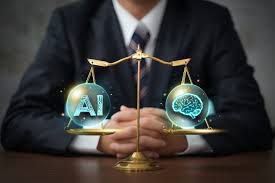
There’s also legal ambiguity. Copyright laws in many regions are still catching up, particularly around questions of authorship and ownership of AI-generated content. Additionally, if users input copyrighted or confidential material, responsibility remains with them, not the tool.
The Practical Middle Ground

AI presentation design is best viewed as low-risk but not zero-risk. Used thoughtfully—with human review, customization, and proper asset sourcing—it can be both original and copyright-safe. Used carelessly, it can introduce avoidable problems.
In short, AI is a powerful assistant, not a legal shield. Balance efficiency with judgment, and you get the best of both worlds.